Hüsker Dü
Biography
Hüsker Dü formed in Saint Paul, Minnesota, in 1979. Its continuous members until it broke up in 1988 were Bob Mould on guitar and vocals, Greg Norton on bass and Grant Hart on drums and vocals. Mould and Hart wrote the songs, with Hart's higher-pitched voice and Mould's baritone taking the lead in alternation. The name came from a rehearsal of Talking Heads' Psycho Killer, when the band shouted every foreign-language word it knew, including the title of a memory board game; Mould said it was an attempt to avoid being pigeonholed as a hardcore group.
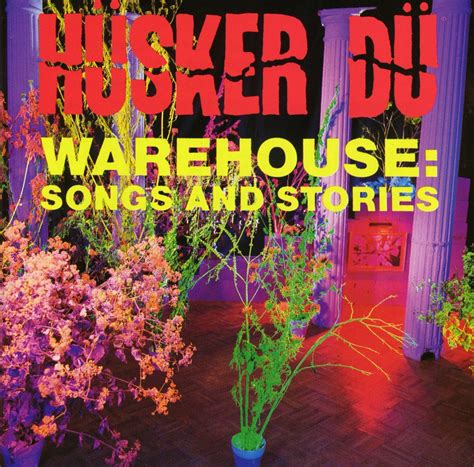
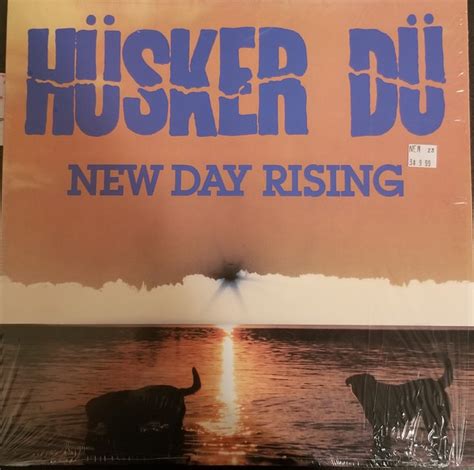
They began as one of the original hardcore bands of the Midwest, and Black Flag's Greg Ginn signed them to SST Records. In 1984 they recorded the double album Zen Arcade in 45 hours for $3,200, and Rolling Stone's David Fricke called it the closest hardcore will ever get to an opera. New Day Rising followed in 1985, and Flip Your Wig nine months later became the first album on an independent label to top the CMJ chart. In 1986 they signed to Warner Bros. on the promise of complete creative control, and the double album Warehouse: Songs and Stories was their last. Mould called the suicide of their manager David Savoy on the eve of the 1987 tour the beginning of the end, and the band dissolved after a show in Columbia, Missouri, that December.
Michael Azerrad wrote in Our Band Could Be Your Life that Hüsker Dü was the key link between hardcore punk and the more melodic college rock that followed. AllMusic's Stephen Thomas Erlewine credited them with showing other bands that uncompromising music could be recorded on a major label without losing integrity or creative control. Nirvana's Krist Novoselic said Nirvana's style was nothing new because Hüsker Dü did it before them, and Green Day's Billie Joe Armstrong said the band became a three-piece because of Hüsker Dü.
' /%3E%3C/svg%3E)