Portishead
Biography
Portishead formed in Bristol in 1991 and took its name from the band's "dreary home town", a place about eight miles west of the city. Beth Gibbons sings, Geoff Barrow plays several instruments and produces, and Adrian Utley plays guitar. Barrow borrowed records from a local DJ and used samples from them as "straight up hip-hop" loops for the duo's first material, and the pair met Utley while they were recording at the Coach House Studios in Bristol. He co-produced Dummy, performed on nine of its songs, co-wrote eight and became an official member shortly after its release. The audio engineer Dave McDonald, who helped produce the first two albums, is sometimes regarded as a fourth member.
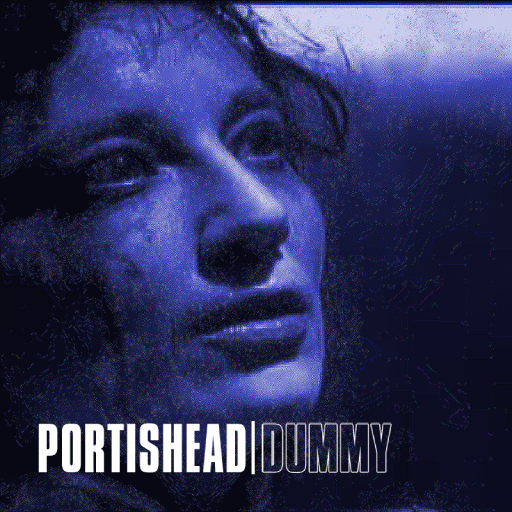
Dummy (1994) fused hip-hop production with an atmospheric style reminiscent of spy film soundtracks and Gibbons's yearning vocals. It won the 1995 Mercury Music Prize and spawned three singles: Numb, Sour Times and Glory Box. The band disliked being tied to the term trip hop. The self-titled second album, Portishead (1997), was characterised as grainy and harsher, with more live instrumentation and less sampling, and the live album Roseland NYC Live followed in 1998. After a long break, Third (2008) was a rockier version of the band's style with more guitars and drums. The Guardian heard it as haunted by the angry post-punk of Joy Division and Siouxsie and the Banshees.
Their influences included New York hip-hop producers who could take a sample from Shostakovich and a horn riff from Miles Davis, the orchestral music Barry Gray recorded for Thunderbirds and Captain Scarlet, and 1960s and 70s soundtracks, which they valued because the emotion in them is not hidden. Utley named Ennio Morricone's guitar music as a big influence, and Gibbons's voice has been compared to Billie Holiday's. In 2025 Barrow said the band would not be making music in the near future, though it had never broken up.
' /%3E%3C/svg%3E)