
Why it's in the canon
Psychocandy combined guitar feedback and noise with traditional pop melody and structure, a mix that proved influential on shoegaze and on alternative rock in general. Critics have heard the Beach Boys and the Rolling Stones in it alongside the Velvet Underground, the Stooges and Suicide. Slant Magazine wrote that the album helped establish the distortion-laden fogginess that became the foundation for shoegaze, AllMusic said it created a movement without meaning to, and Paste's Dan Weiss placed it before Sleigh Bells, Times New Viking and the term noise pop itself.
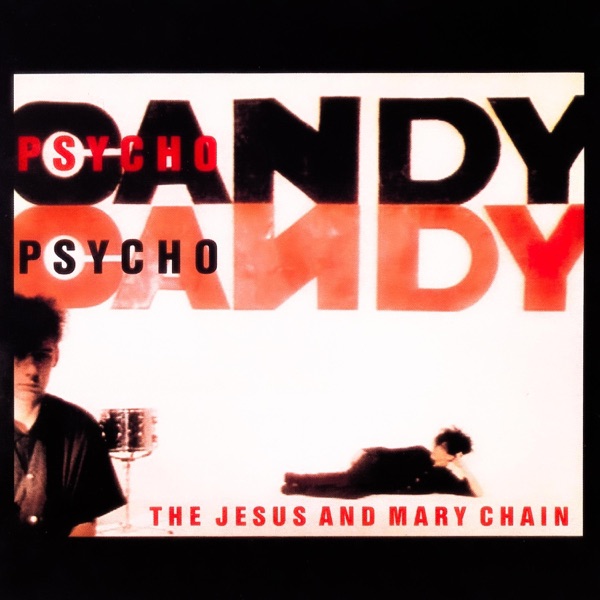
Psychocandy, released by Blanco y Negro on 18 November 1985, runs fourteen tracks in thirty-nine minutes. Its music has been called bubblegum pop drowned in feedback, melody fused with obnoxious bursts of white noise. Paste's Dan Weiss heard the 1910 Fruitgum Company and Joy Division arm-wrestling in a sheet metal factory, with slabs of white noise guarding candy-toy melodies, while Radio X noted a move away from the squealing feedback of the band's early live shows and toward classic 60s pop. Jim Reid sings lead on every track except It's So Hard, which William Reid sings.
Three singles, Never Understand, You Trip Me Up and Just Like Honey, charted in 1985 ahead of the album. The brothers had bought a Portastudio in 1983 with £300 from their father's redundancy pay, and the album was recorded in six weeks, with engineer John Loder at Southern Studios in Wood Green, for £17,000. Bobby Gillespie played drums.
On release the reviews were favourable. NME's Andy Gill described a great searing citadel of beauty whose wall of noise, once scaled, offers access to endless vistas of melody and emotion, and Tim Holmes of Rolling Stone called the band a perfect recombinant of every Edge City outlaw ethic ever espoused in rock. NME placed the album second among the albums of 1985, The Face third and Melody Maker fifth, and it reached number 31 on the UK chart.
Later lists kept it high: Rolling Stone ranked it 268th in 2003, and Pitchfork named it the 23rd best album of the 1980s in 2002. PopMatters wrote in 2018 that it may still be the only noise pop LP anyone ever really needs to own. The band's follow-up, Darklands (1987), moved away from the abrasive sound.
Basic Information
- Released
- 1985-11-18
- Canon Tier
- Landmark