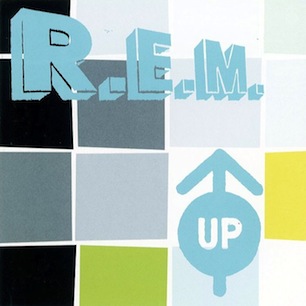
Up represents a crucial moment in REM's artistic development, capturing the band at a point where technical confidence meets creative ambition.
Pre-production work involved extensive arrangement experimentation, ensuring that studio time could be devoted to capturing optimal performances.
The recording process extended over several months, allowing for the kind of detailed attention to sonic craft that gives the album its distinctive character.
The opening track undefined establishes the album's sonic vocabulary immediately, serving as both musical statement and emotional invitation.
The opening track immediately establishes the album's distinctive sonic character.
This attention to detail extends throughout the record, with each song positioned to serve both individual artistic goals and the album's broader conceptual framework.
The band chose a residential recording facility that allowed for extended creative sessions without the time pressures typical of commercial studios.
This environment enabled the kind of experimentation that produced the album's most innovative passages.
The production approach prioritized capturing authentic performances over technical perfection, resulting in recordings that preserve the energy and spontaneity of live music while utilizing studio capabilities to enhance rather than replace organic musical communication.
The mixing process emphasized spatial relationships between instruments, creating recordings that function as complete sonic environments.
Reverb and ambient sound were used strategically to enhance the music's emotional content while maintaining clarity and definition in individual instrumental parts.
The album's track sequence creates carefully planned dynamic flow that maintains listener engagement throughout.
Placement of instrumental interludes and quieter material provides necessary contrast to more intense tracks, while thematic connections between songs create coherence without obvious conceptual framework.
This sequencing strategy allows individual tracks to function independently while contributing to larger artistic statement.
The historical context surrounding the album's creation and release provides essential background for understanding its artistic significance.
Released during the 1990s alternative music explosion, the album provided thoughtful alternative to prevailing commercial trends while maintaining accessibility necessary for broader cultural impact.
This timing allowed the band to both reflect contemporary cultural concerns and contribute to ongoing artistic conversations about music's possibilities.
> What distinguishes Up from both the band's earlier work and their contemporaries' releases is its commitment to treating the album as a complete artistic statement rather than a collection of individual songs.
This approach creates listening experiences that reward both focused attention and casual engagement, demonstrating how careful artistic construction can enhance rather than complicate emotional communication.
The album's continuing relevance lies in its successful integration of musical innovation with accessible emotional content.
Musicians continue to reference the album not just for specific techniques but for its demonstration of how innovative musical thinking can enhance rather than complicate emotional communication.
The record's influence operates through its example of successful artistic ambition, showing how personal creative vision can achieve broader cultural resonance without compromising essential human content.
This balance between technical sophistication and human connection represents the kind of artistic achievement that continues to influence musicians seeking to create meaningful work within contemporary cultural contexts.
The album's final three tracks - Falls to Climb, Suspicion, and Hope - form an unintentional trilogy perfect for late-night contemplation.
These songs complement each other in ways that suggest careful sequencing, though their synergy emerged organically. Falls to Climb establishes the nocturnal mood with its hypnotic rhythm and whispered vocals, creating an ideal soundtrack for the drowsy state between waking and sleep. Suspicion maintains the meditative pace while adding layers of electronic texture that suggest the mind's tendency to wander in quiet moments.
The closing Hope provides gentle resolution without false uplift, its minimal arrangement allowing space for reflection.
Together, these tracks create a 15-minute meditation on uncertainty and possibility, each song enhancing the others' emotional impact.
The trilogy works particularly well during those liminal hours when thoughts turn inward, offering musical companionship for solitary contemplation.
Their sequencing demonstrates the band's understanding of album flow, creating a conclusion that invites repeated listening rather than demanding attention.
Sad Professor opens the album with characteristic R.E.M. introspection, its protagonist embodying the melancholy wisdom that comes with experience.
The song's gentle arrangement belies its emotional complexity, as Stipe inhabits the character of an academic figure whose knowledge brings more sorrow than satisfaction.
The paranoid energy of Suspicion captures the album's underlying anxiety while demonstrating the band's ability to channel unease into compelling music, with electronic textures weaving through traditional rock instrumentation to create an atmosphere of technological alienation.
The album's final three tracks - Falls to Climb, Suspicion, and Hope - form an unintentional trilogy perfect for late-night contemplation.
These songs complement each other in ways that suggest careful sequencing, though their synergy emerged organically.
Together, these tracks create a 15-minute meditation on uncertainty and possibility, each song enhancing the others' emotional impact.
The trilogy works particularly well during those liminal hours when thoughts turn inward, offering musical companionship for solitary contemplation.
Basic Information
- Released
- 1998-10-26
- Canon Tier
- Pinnacle
' /%3E%3C/svg%3E)