Mercury Rev
Biography
Mercury Rev formed in 1989 among students at the University at Buffalo in New York, partly inspired by the drone music of the composer and professor Tony Conrad. Jonathan Donahue and Sean "Grasshopper" Mackowiak became its only constant members, alongside the vocalist David Baker, the flautist Suzanne Thorpe, the drummer Jimy Chambers and Dave Fridmann, a production student who began by recording the band and ended up its bassist and in-house producer. The band started out scoring its members' student films, in a blend of experimental, psychedelic rock, drone and noise rock. Donahue meanwhile toured with the Flaming Lips, played lead guitar on their 1990 album In a Priest Driven Ambulance and left them in mid-1991 after creative disagreements with Wayne Coyne.
Pitchfork later recalled that early Mercury Rev sounded like a careening bus headed towards a fiery crash. When Baker left after the tour for Boces, the darker, experimental side began to fade and the music moved gradually towards a melodic, ornate sound. See You on the Other Side (1995) sold poorly, and the band fell into debt, lost its manager and lawyers and parted with Chambers. Donahue then began listening to children's music and writing simple melodies on piano.
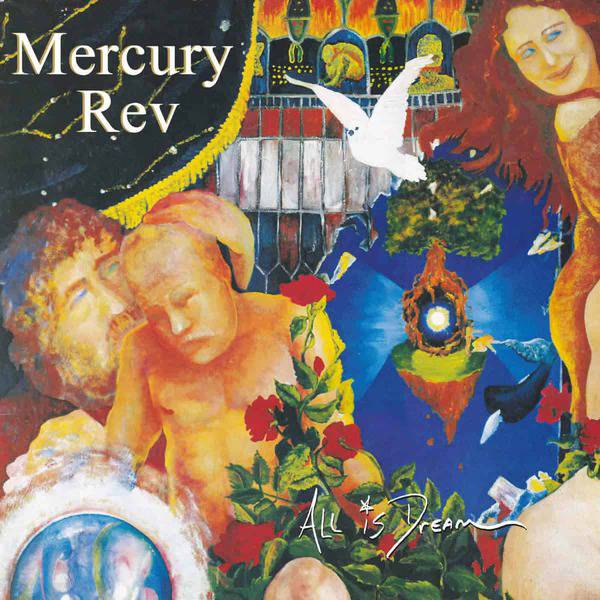
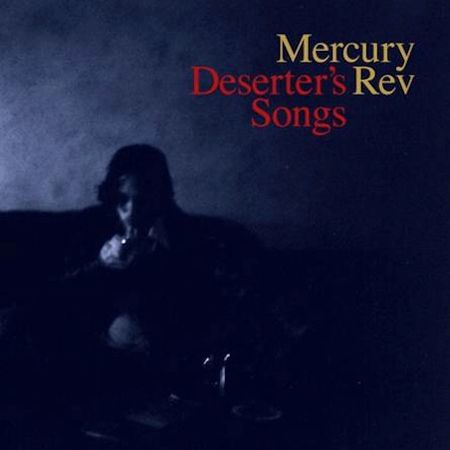
The next record, Deserter's Songs (1998), was made in the Catskill Mountains with Garth Hudson and Levon Helm of The Band, and its strings, horns and woodwinds replaced the distorted guitar and electronic overdubs of earlier records. NME made it its Album of the Year, and it produced three UK Top 40 singles. All Is Dream (2001), with string arrangements by Tony Visconti, became the band's highest-charting UK album to that date, at number 11.
AllMusic's Heather Phares wrote that the band evolved from avant-pop pranksters into purveyors of rootsy, majestic psych-pop, and described its style as an amalgam of shoegaze, noise pop, psychedelic and experimental music.
' /%3E%3C/svg%3E)