Why it's in the canon
Deserter's Songs replaced the distorted guitars and layered overdubs of Mercury Rev's earlier records with classical instruments, and it did so on a record the band made expecting to split up. It became their most successful album, popular in the UK and Europe, and NME named it album of the year for 1998.
Its producer, Dave Fridmann, was making The Soft Bulletin with the Flaming Lips in the same studio at the same time, and the two bands passed new equipment back and forth. Wayne Coyne said in 2011 that without Deserter's Songs being so significant, The Soft Bulletin would probably have been followed less, since people placed the two in the same vein.
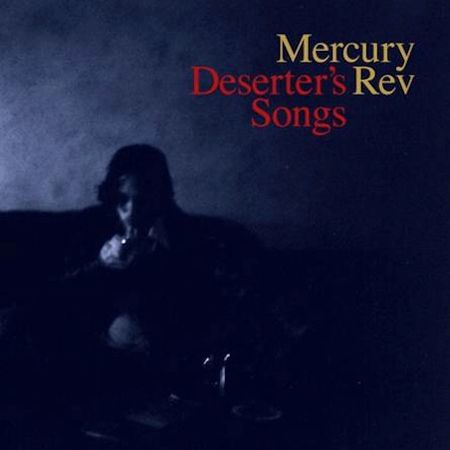
Deserter's Songs, released in late September 1998, is the fourth Mercury Rev album. Its basic tracks are piano, acoustic guitar and Chamberlin strings under Jonathan Donahue's voice, with Hammond B3 organ, Mellotron and Wurlitzer from Adam Snyder, flutes from Suzanne Thorpe and Clavinet and harpsichord from Jimy Chambers. Violins, flugelhorns, trombones and a bowed saw fill out the arrangements, and Levon Helm of The Band plays drums on Opus 40. Garth Hudson, also of The Band, plays tenor and alto saxophone on Hudson Line. The hidden track after Delta Sun Bottleneck Stomp is played on the Tettix Wave Accumulator, an instrument Donahue and Grasshopper built.
The record came out of a bad stretch. Sales of the previous album had been disappointing, the band's manager and lawyers were gone, Chambers had left and the band was in debt. Donahue, depressed, played childhood records such as Tale Spinners for Children and began recording simple melodies on piano. He later told Q that the album was born out of a certain amount of pain, after Grasshopper went into a monastery and he himself had two nervous breakdowns.
The songs are about leaving, or walking away, as Donahue put it. Opus 40 and Hudson Line refer to the Catskill surroundings; the latter describes Grasshopper leaving New York City for a month at a Jesuit retreat house. Goddess on a Hiway was written by Donahue in 1989, found on an old cassette during the sessions and revived at Grasshopper's urging.
Six months of writing and recording in the Catskills were followed by two months at Tarbox Road studio, where string arrangements were recorded and the album mixed. The album was mastered to 35mm magnetic film, a process the producer Fridmann said gave the music an intentionally weird sound and strengthened its cinematic bent. The Chemical Brothers, sent an advance copy, told the press that the band had made something special.
Basic Information
- Released
- 1998-09-29
- Canon Tier
- Pinnacle
' /%3E%3C/svg%3E)