Talking Heads
Biography
Talking Heads formed in New York City in 1975 around three Rhode Island School of Design students: the singer and guitarist David Byrne, the drummer Chris Frantz and the bassist Tina Weymouth. They played their first gig as Talking Heads opening for the Ramones at CBGB on 5 June 1975, signed to Sire Records in November 1976 and added the keyboardist and guitarist Jerry Harrison, formerly of the Modern Lovers, in January 1977. AllMusic wrote that they started as art-school punks and by the end of their career had recorded everything from art-funk to polyrhythmic worldbeat and simple, melodic guitar pop.
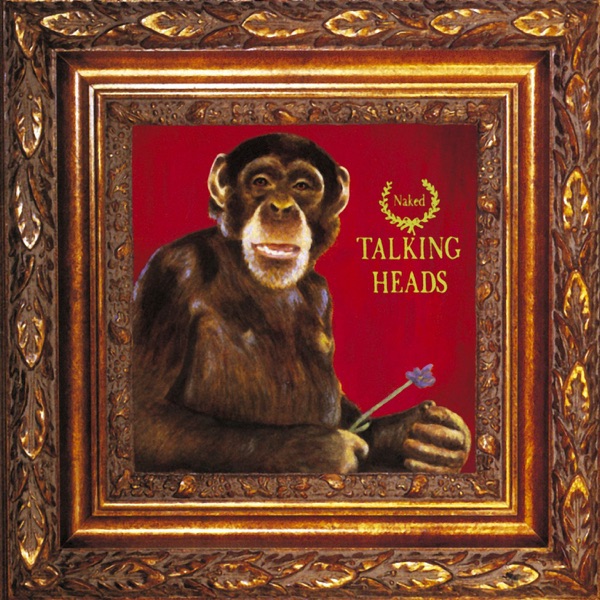
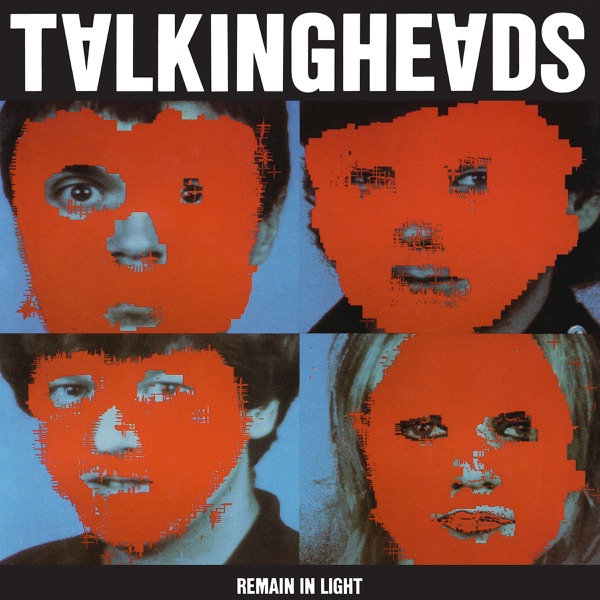
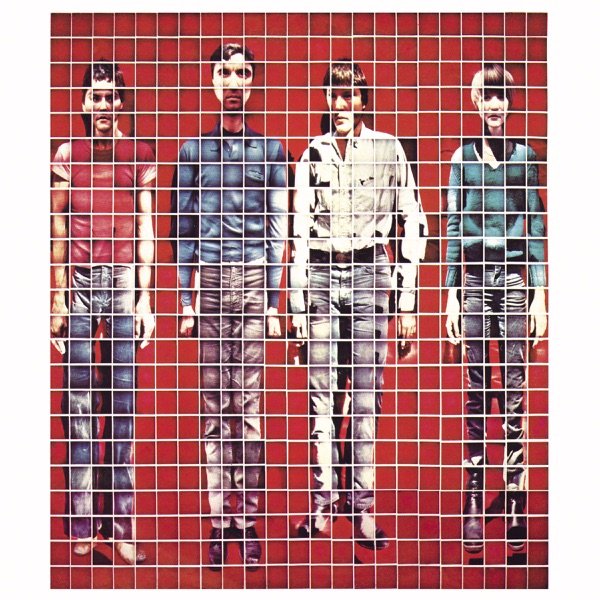
Three albums with the producer Brian Eno set the course. More Songs About Buildings and Food (1978) took the band toward psychedelic funk and Afrobeat and began their relationship with Compass Point Studios in Nassau. Fear of Music (1979) mixed post-punk with funk and subliminal references to the geopolitical instability of the late 1970s. Remain in Light (1980) took its cue from Fela Kuti and combined West African polyrhythms with disco, funk and found voices. After a recording hiatus and the split with Eno, Speaking in Tongues (1983) brought the commercial breakthrough, the US top ten hit Burning Down the House, and a tour that Jonathan Demme filmed as Stop Making Sense. Naked (1988), the last studio album, went back to the polyrhythmic worldbeat of Remain in Light.
Byrne left in 1991 and the band announced in December that year that it had disbanded; the other members performed for a time as Shrunken Heads. Talking Heads entered the Rock and Roll Hall of Fame in 2002. Radiohead took their name from the 1986 Talking Heads song Radio Head and cited Remain in Light as a critical influence on Kid A. Artists who have cited the band as an influence include LCD Soundsystem, St. Vincent, Foals, Trent Reznor and Franz Ferdinand's Alex Kapranos.
' /%3E%3C/svg%3E)