Why it's in the canon
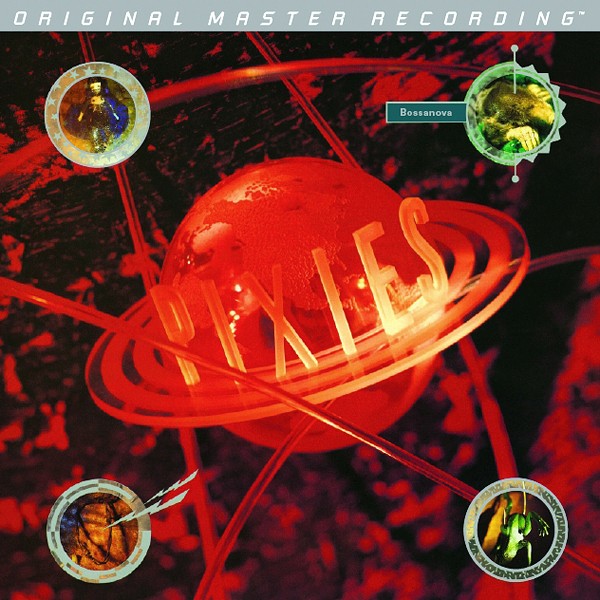
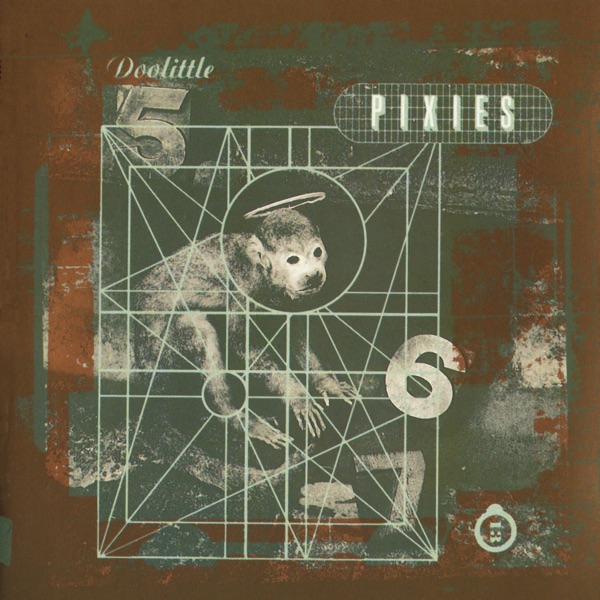
Surfer Rosa has been influential on alternative rock, and on grunge in particular, and gave Billy Corgan a drum sound he admired. Kurt Cobain found in it a template for the mix of heavy noise and pop he was aiming to achieve, said he heard songs on it that he had written and thrown out because he was too afraid to play them for anybody, and he cited it as the basis for the songwriting on Nevermind. He later hired its producer, Steve Albini, for In Utero. Corgan said the Smashing Pumpkins used to study the record for its technical elements, and PJ Harvey said it blew her mind and that she went straight to track down Albini.
Surfer Rosa balances furious punk against softer, poppier songs such as Where Is My Mind?, and Spin's Greg Milner placed it between British post-punk and American indie rock. Pitchfork's Mike Powell heard songs that feel intentionally unfinished, with verses that run longer than usual, choruses that repeat an uneven number of times and abrupt shifts in tone and volume. NME's Mark Beaumont singled out Cactus, Bone Machine and River Euphrates as a menacing mix of pop-minded sounds and gruesome landscapes.
Albini recorded it at Q Division in Boston in ten working days in December 1987, on a budget of US$10,000 that ended at about $18,000. He put the larger guitar amplifiers in a tiled bathroom for a more ambient sound and mounted a PZM microphone on the studio wall to catch the room, for the spacious drums. On Something Against You he ran Black Francis's voice through a guitar amp for a ragged, vicious texture, and Kim Deal's vocals on Where Is My Mind? and Gigantic were taped in a bathroom for a roomier echo.
The lyrics draw on Luis Buñuel's surrealist films and Eraserhead. In Cactus the narrator begs his girlfriend to smear her dress with blood from a cactus cut and mail it to him. Oh My Golly! and Vamos switch to Spanish and refer to Puerto Rico. Gigantic, with Deal on lead vocal, is about an illicit love affair and borrows from the film Crimes of the Heart.
4AD released it on 21 March 1988, and it spent 60 weeks on the UK Indie Chart, peaking at number 2. Melody Maker and Sounds named it their album of the year. Robert Christgau, who had found the band overrated in 1988, wrote in 2003 that the album now seemed audaciously funny and musically prophetic. Albini dismissed it in 1991, apologized in 2005 and said in 2023 that it was a better record than he thought.
Basic Information
- Released
- 1988-03-21
- Canon Tier
- Pinnacle
' /%3E%3C/svg%3E)