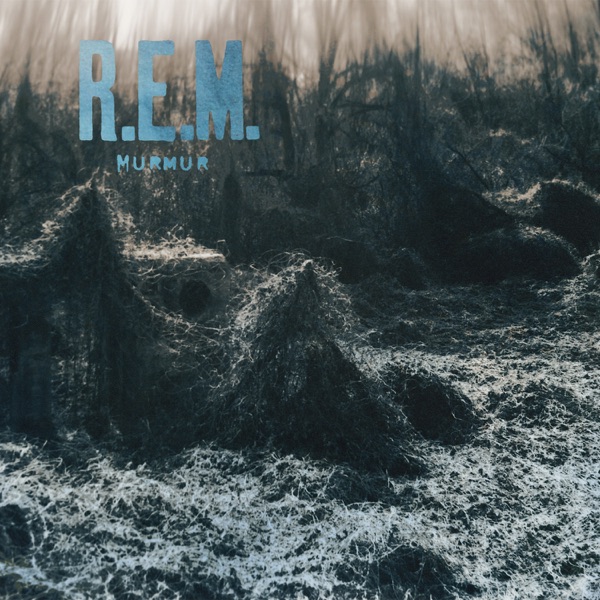
Why it's in the canon
Murmur fused American folk rock, post-punk and garage rock into a sound built on what it left out: no guitar solos and none of the synthesizers then in fashion. Peter Buck took stylistic cues from the Byrds, Television and the Feelies, and Paste's Dan Weiss wrote in 2016 that punk never quite married Rickenbacker arpeggios until Radio Free Europe and Sitting Still made it safe for bands like the dB's.
Rolling Stone chose it as its Best Album of 1983, ahead of Thriller, Synchronicity and War. Paste placed it sixth among the best debut albums in 2023, citing the way Buck's guitar and Mike Mills's bass bounced around simple choruses.
Murmur sounds ringing and subdued. AllMusic's Stephen Thomas Erlewine heard the band de-emphasise the backbeat and accentuate the ambience of the ringing guitar; he wrote that the band abandoned the garagey jangle pop of its previous releases for a strangely subdued variation of its trademark sound. The production has been described as atmospheric, piano enters the arrangements, and the rhythm section draws on British post-punk with less of its funk. Michael Stipe's voice sits low in the mix: Jonathan Gregg of Record wrote that the lyrics are sung with a deliberate slur, lost in a muddy mix or drowned out by the instruments, which produces an impressive sense of meaning even as the meaning itself is not understood.
The credits show how the arrangements were filled out. A re-recorded Radio Free Europe was the lead single. On Pilgrimage Mills plays vibraphone, Perfect Circle has Bill Berry on piano and Mitch Easter on backwards guitar, and a member of the Charlotte Symphony Orchestra plays cello on Talk About the Passion. Andrew Earles called Laughing and Sitting Still required listening for any fan of American underground rock.
I.R.S. Records had first paired the band with the producer Stephen Hague, whose emphasis on technical perfection demoralised Berry. The label allowed a tryout session with Easter and Don Dixon, and the two producers then recorded the whole album at Reflection Studios in Charlotte, finishing on 23 February 1983. Dixon said their aim was to leave as little imprint as possible, and Berry insisted on recording his drums in a booth.
On release the album reached number 36 on the Billboard chart and sold about 200,000 copies by the end of the year, which I.R.S.'s Jay Boberg felt was below expectations. Rolling Stone called it epochal, and its reviewer Steve Pond wrote that it showed a depth and cohesiveness the EP could only suggest.
Basic Information
- Released
- 1983-04-12
- Canon Tier
- Pinnacle
' /%3E%3C/svg%3E)