Why it's in the canon
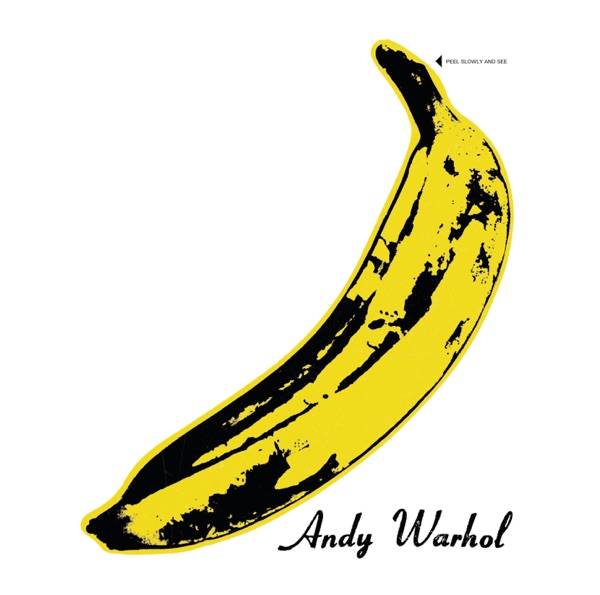
The Velvet Underground & Nico put avant-garde elements into brash, minimal, groove-driven rock and took drug abuse, prostitution and sadomasochism as lyrical subjects. The Observer placed it first in its 2006 list of the 50 albums that changed music, and Spin opened its 2003 list of the fifteen most influential albums of all time with it. Brian Eno remarked in 1982 that it sold about 30,000 copies in its first five years and that everyone who bought one started a band. Beck recorded a track-for-track cover in 2009, and in 2012 a track-for-track cover on Castle Face Records gave each song to a different artist, among them Thee Oh Sees, Ty Segall and Kelley Stoltz.
The Velvet Underground & Nico, released by Verve in March 1967, runs on a drone. Reed used a guitar tuning that sets every string to the same pitch class, the ostrich tuning, on Venus in Furs and All Tomorrow's Parties, and he and Morrison often tuned down a whole step for a lower, fuller sound. John Cale's viola, strung with guitar and mandolin strings, carries Venus in Furs, and Maureen Tucker's drumming played standing up, with bass drums and tambourines on their sides, supplies the beat. Nico sings lead on Femme Fatale, All Tomorrow's Parties and I'll Be Your Mirror.
Heroin struck Richard Goldstein of the Village Voice as seven minutes of genuine 12-tone rock and roll, its tempo fluctuating wildly before it breaks into terrifying squeals. Most songs were cut in four days in April 1966 at Scepter Studios, financed by Andy Warhol and Norman Dolph. Columbia, Atlantic and Elektra declined it before Verve accepted. Sunday Morning was added in November 1966 with Tom Wilson producing, with the overdubbed viola and Nico's chanting.
The album failed on release. Stores banned it, radio would not play it, and a lawsuit over Eric Emerson's image on the back cover halted distribution. It reached number 171 on the Billboard chart. Goldstein wrote that the band was important and the record had major work in it, while Szwed of Jazz & Pop found it tedious. In 1977 Robert Christgau wrote that it never stops getting better.
Basic Information
- Released
- 1967
- Canon Tier
- Pinnacle
' /%3E%3C/svg%3E)