Why it's in the canon
White Light/White Heat gave punk and its relatives a model: a distorted, feedback-driven, roughly recorded sound that foreshadowed punk rock and no wave. Buzzcocks were formed by Pete Shelley and Howard Devoto out of their shared interest in Sister Ray, Joy Division played it live in 1980, and the Modern Lovers' Roadrunner is heavily indebted to it. Mike Boehm of the Los Angeles Times called the album a raw, brutal milestone in the development of what would become punk rock, and AllMusic's Joe Viglione cited it as an influence on grunge. Nirvana covered Here She Comes Now in 1990.
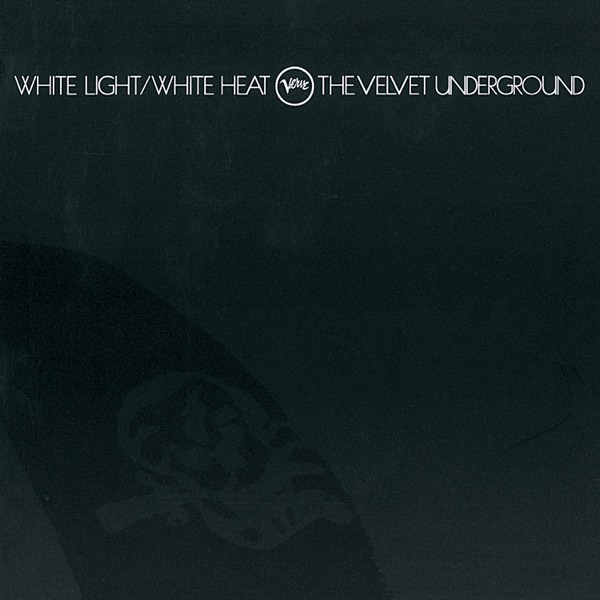
White Light/White Heat, released by Verve on 30 January 1968, was recorded in September 1967 at Mayfair Sound Studios in Manhattan, in a short time and modelled on the band's live sound. Moe Tucker estimated that the recording took two weeks across about seven sessions. The band played loudly through Vox distortion pedals, and engineer Gary Kellgren reportedly said that all the needles were on red. Sterling Morrison called the result doomed by its distortion and compression. John Cale called the album consciously anti-beauty.
The title track rides a two-chord progression of G5 and D5, with elements of heavy metal and doo-wop, and describes the effects of amphetamines. The Gift separates a feedback-heavy blues-rock jam into the right channel and Cale's reading of a short story by Lou Reed into the left. For the sound of a blade through a skull Reed smashed a cantaloupe at Frank Zappa's request. I Heard Her Call My Name is a love song for a dead girl, with banshee-like guitar breaks and a solo influenced by Ornette Coleman. Sister Ray runs 17 minutes with no bass guitar: Reed and Morrison play guitar and Cale a Vox Continental organ, in a single take, with Tucker's drums drowned out.
Reception at the time was poor. Rolling Stone refused to review it, Melody Maker called it utterly pretentious and unbelievably monotonous, and it reached number 199 on the Billboard Top LPs chart. Mark Deming of AllMusic judged it easily the least accessible of the band's albums. It sold over half a million copies internationally before Reed's death in 2013.
Basic Information
- Released
- 1968-01-30
- Canon Tier
- Landmark
' /%3E%3C/svg%3E)