Why it's in the canon
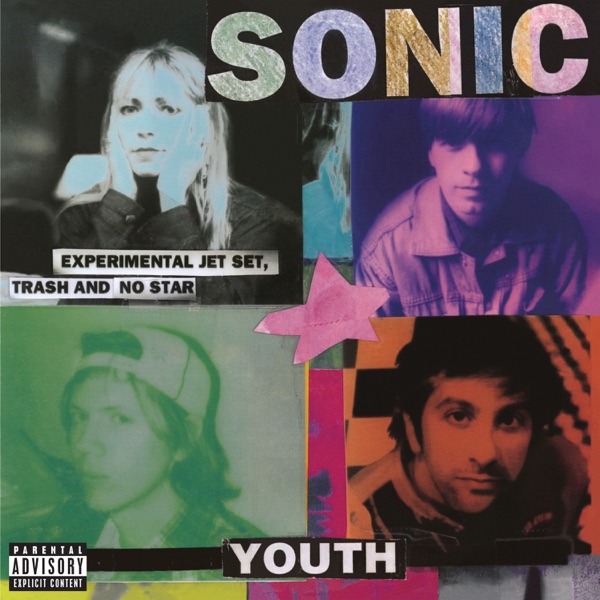
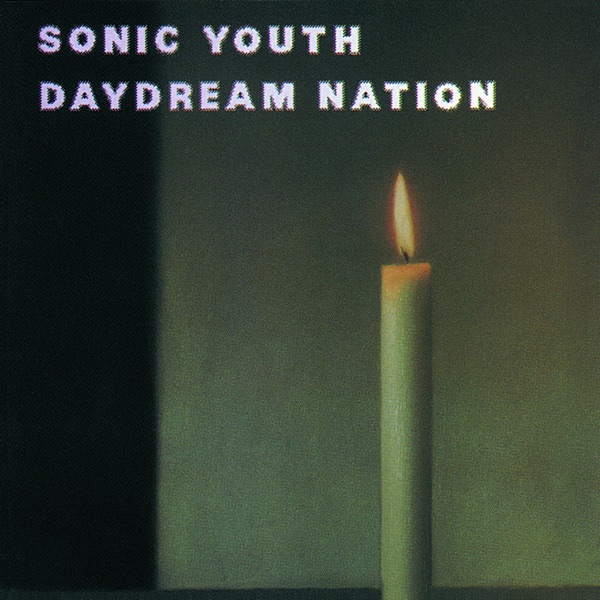
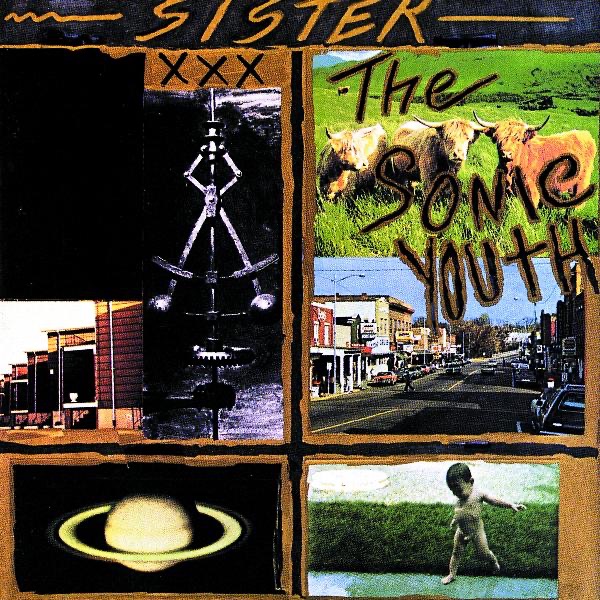
Sister moved Sonic Youth from no wave abrasion towards alternative rock song structures while keeping an experimental approach. Sputnikmusic's Adam Downer heard in it a refined style of noise pop that would typify the band's later work. Slant Magazine called it the last great punk album of the Reagan era and the first great pop album to emerge from the American underground, and Pitchfork ranked it 14th among the best albums of the 1980s. Paste's Josh Jackson wrote that whatever Daydream Nation is as an indie-rock masterpiece, the weirder, more muscular Sister exemplifies everything great about post-punk. Commercially it did not succeed on release; the rankings came later.
Sister sets aggressive noise rock beside more traditional alternative rock song structures. White Kross and Catholic Block supply the aggression, while acoustic guitars appear for melodic purposes on Catholic Block and on Beauty Lies in the Eye, which layers three or four guitars. A Moog modular synthesizer at the studio is used on Pipeline/Kill Time, sung by Lee Ranaldo, and Kotton Krown is the band's first duet between Kim Gordon and Thurston Moore.
The record is a loose concept album inspired in part by the life and works of the science fiction writer Philip K. Dick. Its title refers to Dick's fraternal twin, who died shortly after her birth and whose memory haunted him all his life. Schizophrenia, the opening track, was originally titled Sister, and Moore often introduced it that way in concert.
The band wrote the songs on tour after EVOL and recorded them in March and April 1987 at Sear Sound in Hell's Kitchen, Manhattan, to 16-track tape, entirely on analog equipment. It was the first Sonic Youth album made by the same four members as its predecessor: Moore, Gordon, Ranaldo and Steve Shelley. White Kross, the closing track and the oldest song on the album, gained an improvised coda on the 1987 European tour that was later named Broken Eye. SST released the album on 1 June 1987.
Sales were low, but the album received critical acclaim. In The Village Voice Robert Christgau, who had feuded with the band, called it an album finally worthy of their aesthetic, while Spin, in a negative review, said the band had failed to mix its earlier nonsense with real rock tunage. It placed 12th in the Pazz & Jop critics' poll for 1987 and fourth in the NME critics' poll. AllMusic's Stephen Thomas Erlewine later called it a masterpiece and one of the singular art rock records of the 1980s, surpassed only by Daydream Nation.
Basic Information
- Released
- 1987-06-01
- Canon Tier
- Pinnacle
' /%3E%3C/svg%3E)