Why it's in the canon
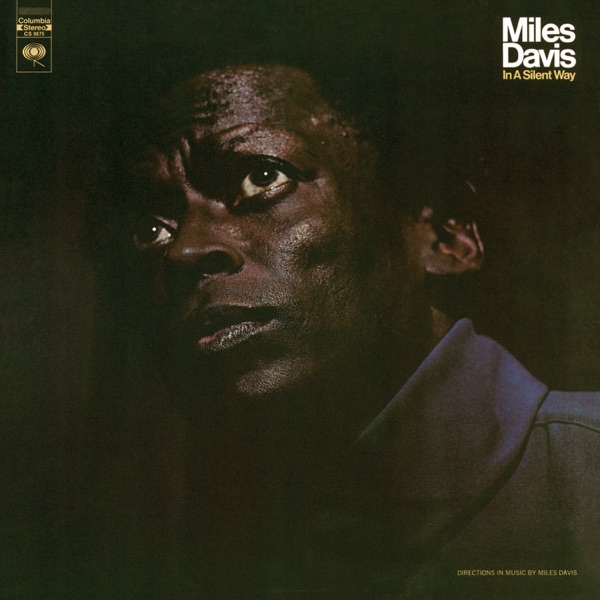
Davis and the producer Teo Macero built the album from takes of a single session on 18 February 1969, editing with techniques informed by classical sonata form so that each side runs in three parts, the first and third the same piece. It was his first record constructed largely by editing and arrangement, and it made a complete transition into fusion, with three keyboardists on electric piano, one of them also on organ, and John McLaughlin on electric guitar. Lester Bangs wrote in Rolling Stone that it owes almost as much to the techniques of rock improvisers as to Davis's jazz background. Stylus's Nick Southall heard its echoes touching dance music, electronica, rock and pop, and Blender called it a proto-ambient masterpiece.
In a Silent Way consists of two side-long tracks, each in three parts that can be heard as exposition, development and recapitulation, with the first and third sections of each being the same piece. Shhh/Peaceful was composed by Davis alone. The other track, In a Silent Way/It's About That Time, opens and closes with Joe Zawinul's tune In a Silent Way. The group rehearsed it as written, then Davis, who wanted it more rock-oriented, stripped the chord changes to leave a basic melody built around a pedal point. John McLaughlin, in the United States for less than two weeks, found his way into the part after Davis suggested he play the guitar as if he were a novice.
Around Davis stand Wayne Shorter on soprano saxophone, Chick Corea and Herbie Hancock on electric piano, Zawinul on electric piano and organ, Dave Holland on bass and Tony Williams on drums. The material comes from three hours in Columbia's 30th Street Studio B, and Macero cut the takes together afterwards. Ghetto Walk, recorded two days later, was meant for the album and then swapped out. Zawinul disliked Davis's arrangement and claimed credit for the bass line and descending melody of It's About That Time.
Critics split on release. Phil Freeman writes that rock critics thought it sounded like rock and jazz critics, who reacted less favorably, thought so too. The Rolling Stone Album Guide said the editing seemed near heretical by jazz standards. It reached number 134 on the Billboard Top LPs chart, Davis's first chart entry since 1965, and was nominated for the 1970 Grammy for Best Jazz Instrumental Album. Bitches Brew far outsold it.
Basic Information
- Released
- 1969-07-30
- Canon Tier
- Landmark


' /%3E%3C/svg%3E)